01
Porta San Giovanni
~10 min here·3 chapters
What This Gate Was Built to ControlFree chapter
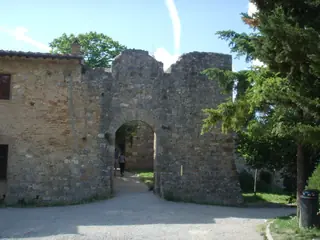
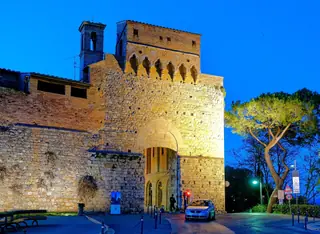
Porta San Giovanni was built in 1262 as a deliberately narrow, fortified threshold designed to funnel and control every person and every cart entering San Gimignano from the south.
0:000:00
The Pilgrimage Road That Built a TownFree chapter
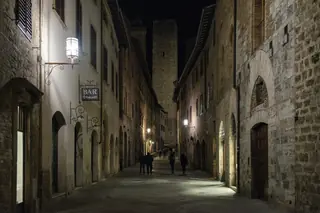
San Gimignano's position on the Via Francigena transformed it from a hilltop village into a prosperous commercial hub, with Via San Giovanni — the street directly ahead — functioning as the commercial spine that captured pilgrim spending.
0:000:00
The Sienese Coat of Arms Above the Arch
The Balzana — Siena's black-and-white heraldic symbol — visible on the gate records the moment in 1353 when San Gimignano surrendered its independence, a defeat driven by plague, factional conflict, and economic decline.